
There is a quiet revolution happening — and it looks like a bath, a nap, a walk in the woods, or simply saying no to one more thing.
National Self-Care Day, observed each year on April 5th, is an invitation to pause. Not as a luxury. Not as an indulgence. But as a genuine act of maintenance for the one body and mind you have been given.
A little history
The concept of self-care is older than the wellness industry by centuries. Ancient Greek philosophy emphasized the practice of “epimeleia heautou” — care of the self — as essential to living well. Florence Nightingale advocated for rest and environment as healing tools in the 1800s. By the 1970s, self-care language entered medical literature as a framework for chronic illness management. Today, science has caught up with what wisdom traditions always knew: caring for yourself is not optional.
What the research says
A 2018 study published in Health Psychology found that people who practiced consistent self-care reported significantly lower levels of stress, anxiety, and burnout. Research from the University of Michigan links regular restorative practices—sleep, creative expression, and time in nature—to stronger immune function and improved emotional regulation. And the American Psychological Association notes that chronic self-neglect is one of the strongest predictors of long-term mental health decline.
Rest, it turns out, is productive.
What self-care actually looks like
It is not always a spa day. Sometimes it is drinking a full glass of water. Stepping outside. Turning off notifications. Asking for help. Setting a boundary with love. Choosing sleep over one more scroll.
Self-care is the practice of treating yourself with the same gentleness you would offer someone you love.
Your invitation
This April 5th, carve out even ten minutes that belong entirely to you. Notice what your body is asking for. Honor it without apology.
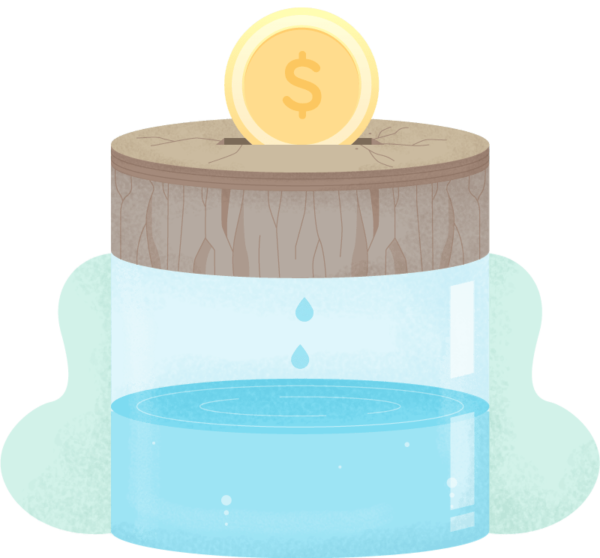
You cannot pour from an empty cup — and the world needs what you carry.
Expand. Evolve. Grow.